


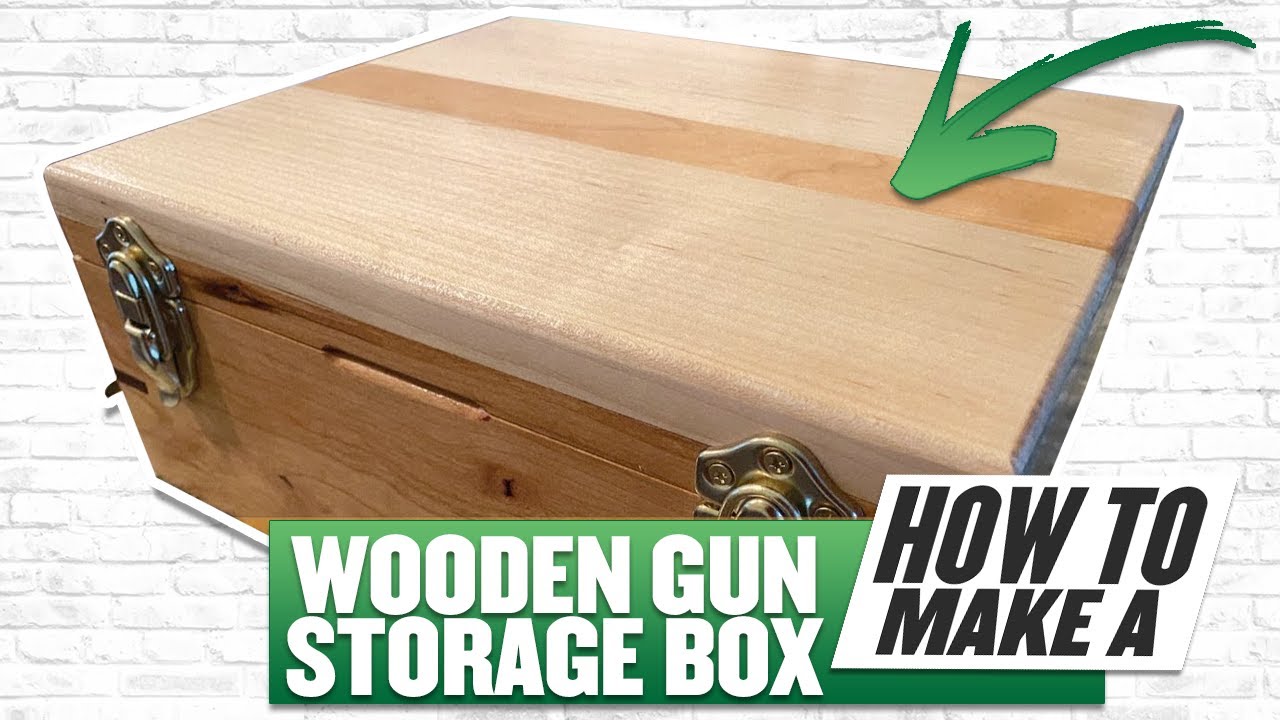
Crafting a Secure Wooden Gun Box with a Plush Interior
A well-crafted wooden gun box offers both protection and elegance for your prized firearms. The intricate joinery and rich wood finish create a sense of enduring quality, while a soft, secure lining provides the ultimate peace of mind. This article will guide you through the process of building a wooden gun box, focusing on creating a luxurious interior that safeguards your firearms.
Planning and Design
Before you pick up a saw, you need a plan. Determine the size and shape of your gun box based on the firearms you intend to store. Consider the overall dimensions, including the height, width, and depth. You may want to sketch out your design on paper or use a CAD program for a more detailed visualization. Decide on the type of wood you want to use, keeping in mind its strength, workability, and aesthetic appeal. Walnut, cherry, and oak are popular choices for gun boxes due to their durability and beautiful grain patterns.
Choosing the Right Wood
The wood you choose for your gun box is crucial. Walnut, cherry, and oak are popular choices for their durability and beautiful grain patterns. Consider the following factors:
- Strength: Select a hardwood that can withstand the weight of your firearms.
- Workability: Choose a wood that is easy to cut, shape, and finish.
- Appearance: Consider the wood's natural color and grain pattern to create the desired aesthetic.
Designing the Interior
The interior of your gun box should be designed to protect your firearms from scratches and movement. A plush lining provides a secure and comfortable environment. Here are some design considerations:
- Padding: Choose a dense foam or felt material to cushion your guns.
- Secure Fit: Ensure the interior compartments are snug around your firearms, preventing them from shifting.
- Accessibility: Consider how you will access your firearms. You might need to include a lid or a sliding drawer for easy access.
Construction Techniques
Once you have a design, it’s time to build your gun box. Use precision tools and take your time to ensure accuracy and a professional finish. The construction process typically involves the following steps:
Cutting and Shaping
Cut the wood pieces to your specified dimensions using a table saw, circular saw, or hand saw. Use a jigsaw or router to create any curves or intricate shapes. Pay meticulous attention to the accuracy of your cuts, as this will influence the overall fit and appearance of your gun box.
Jointing and Gluing
After cutting your wood, carefully join the pieces together using a strong wood glue and clamps. Use a router or hand tools to create rabbets, dadoes, or other joints that will strengthen the box and add visual appeal. For a more secure bond, consider using dowels or screws to reinforce the joints.
Assembling the Box
Once the glue has dried, carefully assemble the box using the planned joints. Clamp the box together securely and allow the glue to cure completely. You may need to reinforce the box with additional bracing or strengthening elements to ensure it can support the weight of your firearms.
Adding the Interior Lining
To create a luxurious and protective interior, line the gun box with a soft, secure material.
Choosing the Right Material
For a plush interior, consider using velvet, felt, or high-density foam. These materials offer excellent cushioning and protection for your firearms.
- Velvet: Provides a luxurious feel and protects firearms from scratches.
- Felt: Offers good cushioning and is easy to cut and shape.
- High-Density Foam: Provides excellent shock absorption and support.
Installing the Interior Lining
Cut the chosen lining material to fit the inside of your gun box. Use an upholstery stapler or wood glue to secure the lining in place. Ensure the lining is smooth and wrinkle-free to provide a comfortable and secure fit for your firearms. You might need to cut specific sections of the lining for compartments or divisions within the box.
Finishing Touches
Once the interior is complete, add finishing touches to your gun box. This will enhance its appearance and durability.
Sanding and Finishing
Sand the exterior of your gun box using progressively finer grits of sandpaper to achieve a smooth finish. Apply a wood stain or paint to enhance the wood's natural beauty or create a desired color. Finish with a clear coat of polyurethane or varnish to protect the wood and enhance its durability.
Hardware and Fittings
Install the necessary hardware, such as hinges, latches, or a lock to secure your gun box. You can also add decorative elements like brass accents or engraved plates to personalize your creation.
Final Considerations
Remember, the process of creating a wooden gun box requires patience, attention to detail, and a commitment to quality craftsmanship. Start with a well-defined plan, use high-quality materials, and practice proper construction techniques to ensure a beautiful and secure gun box that will safeguard your firearms for years to come.


0 comments:
Post a Comment
Note: Only a member of this blog may post a comment.