Your go-to guide for foundational woodworking techniques and DIY projects.

Wednesday, November 20, 2024

Wooden Floating Shelves Perfect for Organizing and Displaying

Wooden Floating Shelves Perfect for Organizing and Displaying

Wooden Floating Shelves: A Practical and Stylish Solution for Organization and Display

In the ever-evolving world of interior design, functionality and aesthetics go hand in hand. Wooden floating shelves offer a perfect blend of both, transforming ordinary spaces into visually appealing and highly organized havens. These versatile structures not only enhance the visual appeal of a room but also provide valuable storage solutions, making them an indispensable element for modern homes.

The Allure of Wooden Floating Shelves

The charm of wooden floating shelves lies in their simplicity, versatility, and ability to seamlessly blend into any decor. Their minimalist design, with no visible brackets or supports, creates a sense of spaciousness and airy elegance. Made from natural wood, they bring a touch of warmth and organic beauty to any environment.

Aesthetic Advantages

  • Visual Appeal: Wooden floating shelves add a touch of sophistication and visual interest to any room. Their minimalist design creates a clean, uncluttered look that complements various decor styles, from contemporary to rustic.
  • Enhanced Space: Unlike traditional shelves, floating shelves create an illusion of more space by visually eliminating the bulk of supporting brackets. This makes them ideal for small rooms or areas where every inch counts.
  • Customization: Wooden floating shelves come in a wide array of sizes, finishes, and styles, allowing you to personalize them to match your unique taste and needs. From sleek and modern to rustic and farmhouse, the options are endless.

Functional Benefits

  • Versatile Storage: Wooden floating shelves provide ample storage space for books, decorative items, plants, and other belongings. Their open design allows for easy access and visibility.
  • Organized Display: Floating shelves offer a beautiful and practical way to showcase your prized possessions, such as books, artwork, and decorative objects. They create a curated display that enhances the overall aesthetic of the room.
  • Wall Space Maximization: Floating shelves make the most of vertical space, freeing up floor area and adding functionality to walls. This is particularly beneficial in smaller rooms where every square inch is valuable.

Choosing the Perfect Wooden Floating Shelves

Selecting the ideal wooden floating shelves involves considering several factors that will ensure they perfectly complement your space and meet your needs.

Wood Species and Finishes

The choice of wood species significantly impacts the aesthetics and durability of your shelves. Some popular options include:

  • Oak: Known for its strength, durability, and rich grain patterns, oak is a classic choice for floating shelves. It comes in various shades, from light honey to deep brown.
  • Maple: Maple is renowned for its hardness, fine grain, and beautiful creamy color. It offers a clean, elegant aesthetic that complements both traditional and contemporary styles.
  • Walnut: With its dark, rich color and prominent grain patterns, walnut brings a touch of luxury and sophistication to any room. It is an excellent choice for creating a dramatic focal point.
  • Pine: Pine is a softwood known for its affordability and warm, rustic appeal. Its light color and knots add character and a natural charm to spaces.

The finish you select for your wooden floating shelves will further enhance their appearance and protect them from wear and tear. Popular options include:

  • Natural Finish: This allows the natural beauty of the wood to shine through, showcasing its unique grain patterns and color variations.
  • Stained Finish: Stains enhance the wood's natural color and grain patterns while adding a touch of depth and richness. They come in a wide range of colors to match your decor.
  • Painted Finish: Painting your floating shelves offers unlimited possibilities for customization. You can choose a solid color or a patterned design to complement your room's aesthetic.

Size and Configuration

The size and configuration of your shelves are crucial for determining their storage capacity and visual impact. Consider the following factors:

  • Length and Depth: Choose shelves that are long and deep enough to accommodate the items you plan to store. Think about the width of the items you will place on the shelves, and leave adequate space for them to fit comfortably.
  • Number of Shelves: The number of shelves depends on your storage needs and the available wall space. Consider creating a staggered or tiered arrangement for visual interest and to accommodate different-sized items.
  • Placement: Carefully consider the placement of your shelves. Think about the function of the room and where the shelves will be most useful. For example, placing shelves above a desk can provide convenient storage for office supplies.

Installation and Hardware

Installing floating shelves is a relatively straightforward process, but it's essential to choose the right hardware for a secure and reliable installation. Consider the following:

  • Wall Anchors: Ensure the wall anchors are compatible with the weight of the shelves and the type of wall material. For drywall, consider using heavy-duty anchors designed for shelf installations.
  • Screws: Use screws that are long enough to securely fasten the shelves to the wall anchors. Pre-drill holes if necessary to prevent splitting the wood.
  • Level: Use a level to ensure your shelves are installed perfectly straight. This creates a clean and visually pleasing arrangement.

Styling and Decor

Once your wooden floating shelves are installed, it's time to unleash your creativity and transform them into eye-catching displays. Consider the following tips for styling and decor:

  • Curate a Theme: Create a cohesive look by choosing items that share a common theme, such as books, plants, or artwork. This can help create a sense of balance and visual appeal.
  • Mix and Match: Don't be afraid to mix different sizes, shapes, and textures to create visual interest. A combination of small and large items, along with various textures, will add depth and dimension to your display.
  • Add a Personal Touch: Incorporate items that hold sentimental value or reflect your personality. These can be treasured mementos, family photos, or unique finds from your travels.
  • Use Lighting: Highlight your display by incorporating lighting, such as accent lights or sconces. This will add depth and dimension to your shelves, making them more prominent and visually appealing.

Conclusion

Wooden floating shelves are a versatile and stylish addition to any home. They offer a practical solution for organizing and displaying your belongings while enhancing the overall aesthetics of your space. By carefully considering the wood species, finish, size, and installation, you can create a unique and personalized display that reflects your individual style and needs. Embrace the elegance and functionality of wooden floating shelves and transform your home into a haven of style and organization.
Share:

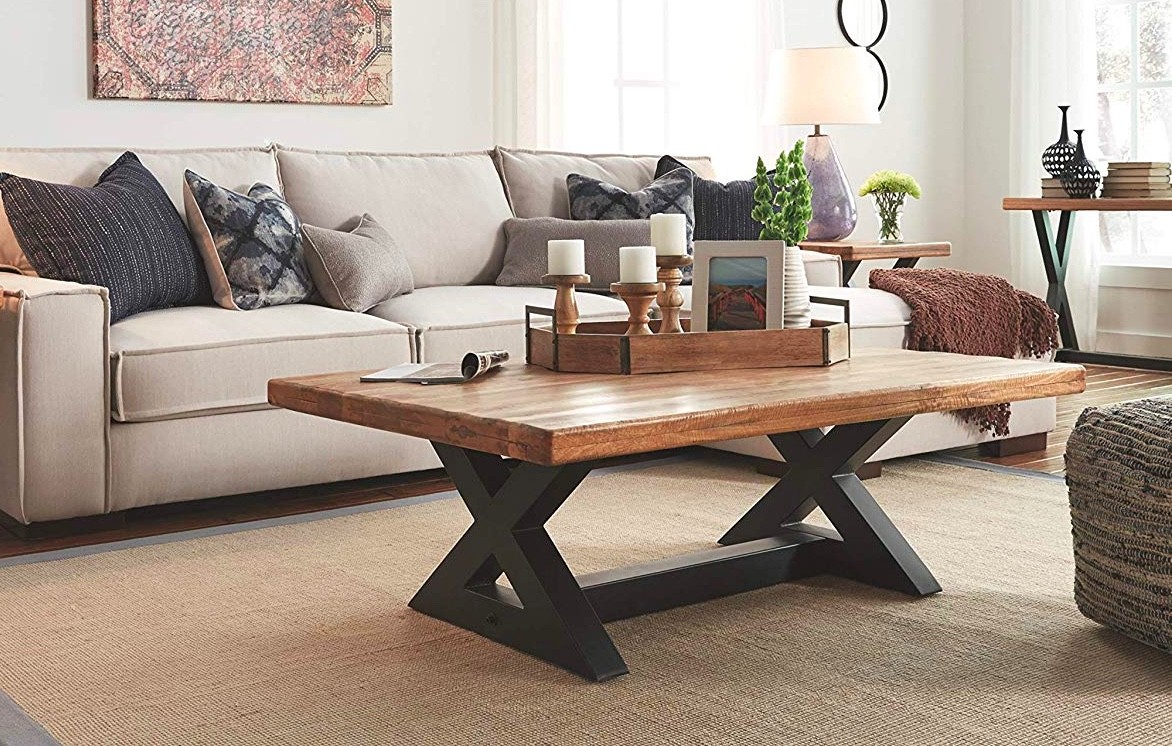
How to Make Wooden Modern Coffee Tables with a Scandinavian or Boho Influence

How to Make Wooden Modern Coffee Tables with a Scandinavian or Boho Influence

Crafting Modern Coffee Tables with Scandinavian and Boho Flair: A DIY Guide

Embrace the simple elegance of Scandinavian design and the free-spirited charm of Boho style with a handcrafted wooden coffee table. These two aesthetics perfectly complement each other, creating a harmonious blend of minimalist form and natural textures. This guide will walk you through the process of building a coffee table that seamlessly integrates these styles, transforming your living room into a cozy haven.

Choosing the Right Wood

The choice of wood is paramount in achieving the desired aesthetic. Scandinavian design favors light, natural woods like birch, ash, or pine, highlighting their inherent beauty with minimal embellishment. Boho style, on the other hand, embraces the rustic charm of reclaimed or weathered woods, adding a touch of history and character. You can even combine these by using a light wood for the main structure and incorporating reclaimed wood accents for the top or legs.

Scandinavian Simplicity: Birch, Ash, or Pine

These woods offer a clean, uncluttered look that complements the minimalist essence of Scandinavian design. Their light hues create an airy and inviting atmosphere, perfect for a modern living room.

Boho Charm: Reclaimed or Weathered Woods

Embrace the rustic charm of reclaimed wood, such as old barn wood or salvaged planks. Their unique textures and imperfections add a sense of history and character to the table, echoing the free-spirited nature of Boho style.

Design Considerations: Embracing Simplicity and Texture

The beauty of these styles lies in their simplicity and emphasis on natural textures. Opt for clean lines and avoid excessive embellishments. Let the wood's natural grain and color take center stage.

Scandinavian Minimalism: Clean Lines and Uncluttered Design

Embrace the principle of less is more. Choose simple geometric shapes, like squares, rectangles, or circles. Keep the design clean and uncluttered, allowing the natural beauty of the wood to shine.

Boho Flair: Rustic Accents and Natural Textures

Incorporate elements that evoke a sense of natural beauty and rustic charm. Consider adding braided rope accents, woven baskets, or a distressed finish to the wood. These elements contribute to the bohemian aesthetic without overwhelming the design.

Construction Process: A Step-by-Step Guide

The construction process is straightforward, even for novice woodworkers. Let's break it down into manageable steps:

Step 1: Designing Your Table

Start by sketching your coffee table design. Determine the desired dimensions, shape, and leg style. Keep the aesthetic goals of Scandinavian and Boho styles in mind.

Step 2: Cutting and Assembling the Frame

Cut the wood to size using a saw. Carefully assemble the frame, using wood glue and screws to secure the joints. Ensure the frame is square and stable before moving to the next step.

Step 3: Creating the Tabletop

For a simple tabletop, cut a piece of wood to the desired size and attach it to the frame. For a more intricate design, you can create a tabletop from multiple pieces of wood, adding visual interest with contrasting grains or colors.

Step 4: Attaching the Legs

Attach the legs to the frame using screws or dowels. Consider incorporating a Scandinavian-inspired taper to the legs for a more elegant look. Alternatively, opt for rustic, reclaimed wood legs for a Boho touch.

Step 5: Finishing Touches

Sand the entire table to smooth out any rough edges. Apply a clear finish, like polyurethane or wax, to protect the wood and enhance its natural beauty. Consider adding a light stain for a subtle color variation.

Final Touches: Embracing Individual Style

Once the table is constructed, personalize it with details that reflect your unique style. For a Scandinavian vibe, consider adding a minimalist ceramic vase with a single, elegant flower. For a Boho touch, incorporate a collection of vintage books, woven baskets, or handcrafted pottery.

Building your own coffee table is a rewarding experience that allows you to express your creativity and bring a touch of personal style to your home. By blending the simplicity of Scandinavian design with the free-spirited charm of Boho, you can create a piece that is both beautiful and functional, a testament to your own unique taste.

Share:

Tuesday, November 19, 2024

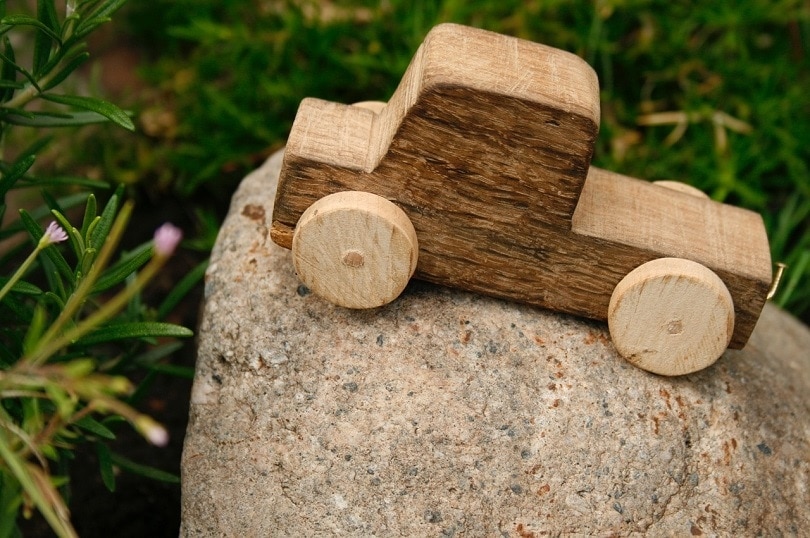
How to Make and Sell Wooden Toys with a High-End, Artistic Design

How to Make and Sell Wooden Toys with a High-End, Artistic Design

Crafting and Selling High-End, Artistic Wooden Toys

In a world increasingly dominated by mass-produced, plastic toys, there's a growing appreciation for handcrafted wooden toys with unique, artistic designs. These toys not only provide imaginative play but also serve as beautiful decorative pieces, appealing to parents seeking quality, sustainability, and a touch of artistry for their children. This article will guide you through the process of making and selling high-end, artistic wooden toys, from design to marketing.

I. Designing Artistic Wooden Toys

The heart of your success lies in crafting distinctive designs that capture the imagination and resonate with your target audience. This requires a blend of creativity, skill, and market understanding.

1. Defining Your Niche

Before diving into design, identify your target market. Are you aiming for infants, toddlers, or older children? Do you specialize in educational toys, imaginative playthings, or something else entirely? Narrowing your focus allows you to tailor designs and marketing efforts effectively.

2. Exploring Inspiration

Seek inspiration from a variety of sources:

  • Art and Design: Explore contemporary and traditional art movements, paying attention to form, color, and texture.
  • Nature: Observe the intricate details of natural elements, from flowing lines to geometric patterns.
  • Children's Literature and Play: Analyze classic children's books, films, and games for themes and motifs that resonate with children.
  • 3. Developing Unique Concepts

    Once inspired, begin sketching and experimenting with ideas.

  • Simplicity: Start with basic forms and gradually introduce complexity.
  • Functionality: Ensure your designs are not just visually appealing but also functional and engaging for children.
  • Safety: Prioritize child safety by using non-toxic materials, smooth edges, and avoiding small parts that could be a choking hazard.
  • II. Crafting Wooden Toys with High-End Quality

    High-end wooden toys are defined by meticulous craftsmanship and premium materials. Your attention to detail will be evident in every step of the process.

    1. Selecting Wood Species

    Choose wood species known for their durability, strength, and aesthetic appeal.

  • Hardwoods: Maple, cherry, walnut, and oak offer excellent durability, beautiful grain patterns, and natural resistance to wear and tear.
  • Softwoods: Pine and cedar are lighter and easier to work with, suitable for intricate carvings and whimsical designs.
  • 2. Precise Cutting and Shaping

    Accurate cutting and shaping are crucial for both structural integrity and visual appeal. Invest in quality woodworking tools and techniques:

  • Hand Tools: Chisels, planes, and saws provide control and detail for intricate work.
  • Power Tools: Table saws, band saws, and routers can be used for efficient cutting and shaping.
  • Templates: Use templates to ensure consistent and accurate designs across multiple toys.
  • 3. Finishing Techniques

    The finishing touches give your wooden toys their unique character and longevity. Consider:

  • Sanding: Smooth surfaces to create a comfortable and safe finish for children.
  • Natural Finishes: Use non-toxic oils (walnut oil, tung oil) or waxes to enhance the wood's natural beauty and provide protection.
  • Paints and Stains: Choose water-based, non-toxic paints or stains for vibrant colors and durability.
  • III. Marketing and Selling High-End Wooden Toys

    Once you have crafted exceptional toys, you need to effectively reach your target market and showcase their artistry and value.

    1. Building a Strong Brand Identity

    Develop a cohesive brand identity that reflects the quality and artistry of your wooden toys:

  • Brand Name: Choose a name that is memorable, evokes your brand's essence, and aligns with your target audience.
  • Logo: Create a visually appealing logo that represents your brand and its values.
  • Website: A professional website is essential for showcasing your products, telling your brand story, and providing customer service.
  • 2. Highlighting the Unique Selling Proposition

    Clearly communicate what makes your wooden toys stand out:

  • Artisanal Craftsmanship: Emphasize the handcrafted nature and meticulous attention to detail.
  • High-Quality Materials: Highlight the use of sustainable and safe wood species.
  • Artistic Design: Showcase the unique aesthetic appeal and design inspiration behind your toys.
  • Educational Value: If applicable, emphasize the educational benefits of your toys.
  • 3. Choosing the Right Sales Channels

    Reach your target audience through a variety of channels:

  • Online Marketplaces: Etsy, Amazon Handmade, and specialized toy websites can provide a wide reach.
  • Social Media: Instagram, Facebook, and Pinterest are great for showcasing your toys and building a community.
  • Local Boutiques and Craft Shows: Participate in local events and collaborate with retailers who align with your brand values.
  • 4. Pricing Strategies

    Price your toys fairly, reflecting their quality, design, and the time invested in their creation.

  • Cost-Plus Pricing: Calculate the cost of materials, labor, and overhead, and add a markup to determine the price.
  • Value-Based Pricing: Consider the perceived value of your toys to your target market, emphasizing their unique features and benefits.
  • Competitive Analysis: Research the prices of similar toys in the market to ensure your pricing is competitive and attractive.
  • IV. Building a Sustainable Business

    Sustaining success in the long term requires a focus on both financial and environmental sustainability.

    1. Inventory Management

    Avoid overstocking and maintain a balanced inventory to minimize waste and financial risk.

  • Pre-Orders: Encourage pre-orders to ensure demand before production.
  • Limited Editions: Introduce limited edition designs to create exclusivity and manage inventory.
  • 2. Sustainable Practices

    Minimize your environmental impact by:

  • Source Wood Responsibly: Choose wood from sustainable forestry practices or reclaimed wood sources.
  • Reduce Waste: Utilize wood scraps for smaller projects or donate them to local artists or makers.
  • Eco-Friendly Packaging: Use recycled and biodegradable packaging materials to minimize your carbon footprint.
  • 3. Customer Service and Brand Building

    Focus on providing excellent customer service to build trust and loyalty:

  • Responsive Communication: Answer inquiries promptly and provide detailed information about your products.
  • Personalized Touches: Add handwritten notes or small gifts to create a positive customer experience.
  • Community Engagement: Connect with customers on social media, host workshops, or collaborate with other makers to build a community around your brand.
  • Creating and selling high-end, artistic wooden toys is a rewarding journey that combines craftsmanship, creativity, and a commitment to quality. By focusing on design, quality, marketing, and sustainability, you can build a successful business that brings joy and beauty into the lives of children and their families.

    Share:

    Monday, November 18, 2024

    Trending Wood Sign Styles for Every Season

    Trending Wood Sign Styles for Every Season

    Trending Wood Sign Styles for Every Season

    Wood signs are a timeless and versatile way to add a touch of personality and charm to any space. From farmhouse chic to modern minimalist, there's a wood sign style for every taste and occasion. And with the changing seasons, it's always fun to refresh your decor with new and trending wood sign designs. So, let's dive into the hottest wood sign styles for each season!

    Spring: Blooming with Freshness

    Spring is all about new beginnings, vibrant colors, and celebrating nature's awakening. Wood signs reflect this cheerful energy with themes like:

    Floral Delights

    Embrace the beauty of blooming flowers with signs featuring delicate florals, botanical illustrations, or whimsical floral arrangements. Think pastel hues, delicate calligraphy, and a touch of vintage charm. You can go for a classic floral pattern or get a little more abstract with a watercolor style for a modern twist.

    Welcome Spring

    What better way to usher in the new season than with a warm welcome sign? These signs can feature simple yet elegant typography, welcoming messages like "Welcome Spring" or "Hello Sunshine," or even playful quotes about the season's joy. Look for rustic wood signs with distressed paint or classic whitewashed designs for a charming touch.

    Farmhouse Charm

    Farmhouse style is a perennial favorite, and spring is the perfect time to embrace its cozy and rustic appeal. Opt for signs with floral wreaths, chicken silhouettes, or simple "Welcome" messages in farmhouse fonts. These signs often have a distressed finish and can be adorned with natural elements like twine or burlap.

    Summer: Sun-Kissed and Breezy

    Summer brings a sense of fun, freedom, and endless possibilities. Wood signs capture this spirit with themes that evoke warm days, beachy vibes, and carefree moments.

    Beachy Bliss

    Beach-themed signs are a classic summer choice, and the options are endless! From nautical symbols like anchors and seashells to coastal landscapes and seascape scenes, there's something for every beach lover. Consider signs with bright colors, nautical rope accents, or even driftwood finishes for an authentic touch.

    BBQ & Gatherings

    Summer is all about outdoor gatherings and delicious barbeques. Wood signs with playful messages like "Let's Eat" or "Good Times & BBQ" add a touch of humor and fun to your backyard decor. They can also feature whimsical graphics of grilling tools or delicious food items.

    Vacation Vibes

    Summer is the season for escaping to new destinations. Wood signs with vacation-inspired quotes or travel-related graphics are perfect for adding a touch of wanderlust to your home. Think signs with world maps, inspirational travel quotes, or whimsical airplane designs.

    Autumn: Warm and Cozy

    Autumn is a season of transformation, with nature's palette shifting to warm reds, oranges, and yellows. Wood signs reflect this cozy and inviting vibe with themes that evoke the beauty of the changing season.

    Fall Foliage

    Leaves are the stars of autumn, and wood signs featuring autumn foliage in various shades are a popular choice. They can be painted in realistic detail or presented in a more stylized, abstract way. Think of rustic wood signs with a weathered finish for a natural touch.

    Pumpkin Spice Everything

    Pumpkin spice is synonymous with autumn, and it's even made its way to wood signs! Look for signs with adorable pumpkin designs, cute sayings like "Pumpkin Spice & Everything Nice," or even detailed images of pumpkin lattes or pies. These signs often feature warm, earthy tones like orange, brown, and cream.

    Welcome Fall

    Autumn is a season for cozying up at home. Wood signs with welcoming messages like "Welcome Fall" or "Autumn Blessings" create a warm and inviting atmosphere. Look for signs with simple typography and rustic details like burlap or twine accents.

    Winter: Festive and Joyful

    Winter is a magical time filled with cozy evenings, twinkling lights, and holiday cheer. Wood signs bring this festive spirit to life with themes that celebrate the season's beauty.

    Holiday Cheer

    Winter is synonymous with the holiday season, and wood signs are perfect for spreading festive cheer. Look for signs with classic holiday themes like snowflakes, reindeer, Santa, or even traditional Christmas wreaths. Consider using warm colors like red, green, and gold for a traditional holiday feel.

    Winter Wonderland

    Winter is a season of snow and ice, and wood signs with winter wonderland scenes capture the magic of the season. Look for signs with elegant snowflakes, intricate ice crystals, or charming winter landscapes. Consider a whitewashed or distressed finish for a touch of rustic charm.

    Cozy Comfort

    Winter is all about cozying up indoors. Wood signs with inspirational quotes about warmth, comfort, or family gatherings are perfect for creating a welcoming and comforting atmosphere. Look for signs with simple typography and rustic details like burlap or twine accents.

    Beyond the Seasons

    Of course, you don't have to stick to seasonal themes! There are countless other wood sign styles you can embrace year-round. Here are a few of our favorites:

    Farmhouse Chic

    Farmhouse style is all about rustic charm and simple elegance. Look for signs with distressed paint, weathered wood finishes, and charming typography. They often feature quotes about family, home, or country living.

    Modern Minimalism

    For a sleek and contemporary look, opt for wood signs with minimalist designs. These signs often feature simple typography, geometric shapes, or abstract patterns in muted tones. They can be made from reclaimed wood or painted in a solid color for a clean and modern look.

    Rustic Elegance

    Embrace the beauty of nature with rustic wood signs featuring natural elements like branches, bark, or stones. These signs often have a weathered finish and can be adorned with natural elements like twine, burlap, or dried flowers. They are perfect for adding a touch of organic beauty to your space.

    Crafting Your Own

    If you're feeling creative, you can even craft your own wood signs! There are endless possibilities for DIY wood sign projects. You can use pre-made wood blanks or create your own from reclaimed wood. Then, let your imagination run wild with paint, stencils, and other decorative elements.

    Commonly Asked Questions

    Where can I find trendy wood signs?

    You can find trendy wood signs in a variety of places:

  • Online Marketplaces: Etsy, Amazon Handmade, and Shopify are great places to find unique and handmade wood signs.
  • Local Craft Fairs: Many local craft fairs and farmers markets feature artisans selling handmade wood signs.
  • Specialty Stores: Look for wood signs at home decor stores, gift shops, and antique stores.
  • What are some popular wood sign materials?

    Wood signs come in a variety of materials, including:

  • Reclaimed Wood: Adds a rustic and eco-friendly touch.
  • Pine: Affordable and easy to work with.
  • Oak: Strong and durable.
  • MDF (Medium-Density Fiberboard): Lightweight and smooth.
  • How do I care for my wood sign?

    To keep your wood sign looking its best:

  • Dust it regularly with a soft cloth.
  • Avoid placing it in direct sunlight or near heat sources.
  • If necessary, clean it with a damp cloth and mild soap.
  • Apply a sealant if desired to protect it from moisture and scratches.
  • Wood signs are a fantastic way to add personality and charm to your home. Whether you embrace the latest seasonal trends or create your own custom designs, wood signs are a fun and easy way to express your style and create a space that feels truly unique. So, go ahead, get inspired, and find the perfect wood signs to make your home feel like a warm and welcoming haven.

    Share:

    Wednesday, November 13, 2024

    How to Paint and Decorate Wooden Christmas Ornaments

    How to Paint and Decorate Wooden Christmas Ornaments

    A Comprehensive Guide to Painting and Decorating Wooden Christmas Ornaments

    Wooden Christmas ornaments offer a blank canvas for creativity, allowing you to personalize your holiday décor with unique designs and festive colors. Whether you're a seasoned crafter or a beginner, painting and decorating wooden ornaments is an enjoyable and rewarding activity. This comprehensive guide will walk you through the essential steps, from choosing the right supplies to applying intricate details, ensuring you create beautiful and cherished ornaments for your holiday tree.

    Choosing Your Supplies

    Before embarking on your creative journey, gather the necessary supplies to ensure a smooth and enjoyable crafting experience. Here's a checklist of essentials:

    Wooden Ornaments

    The foundation of your ornaments lies in the choice of wooden blanks. Consider the size, shape, and thickness that best suit your project. Round, heart, star, or even whimsical shapes are readily available. Opt for smooth, sanded wooden ornaments for optimal paint adhesion and a polished finish.

    Paint

    Select acrylic paints as they are versatile, quick-drying, and offer a wide range of colors. For intricate details and fine lines, acrylic craft paints are ideal. If you prefer a glossy finish, choose acrylic paints formulated for a high gloss effect. Alternatively, consider using enamel paints for a durable and long-lasting finish.

    Brushes

    Invest in a variety of paintbrushes with different sizes and shapes to accommodate varying details. Flat brushes are excellent for covering large areas, while round brushes excel in creating fine lines and details. For intricate designs, consider using detail brushes or liners with fine tips.

    Primer

    Applying a primer before painting is crucial, especially for raw wood surfaces. Primer provides a smooth and even base for the paint, promoting better adhesion and preventing the wood's natural grain from showing through.

    Sealer

    Once your ornaments are painted and decorated, a sealant will protect your artwork from scratches, water damage, and fading. Use a water-based acrylic sealant for a glossy finish or a matte sealant for a more subdued look.

    Additional Supplies

    • Scissors for trimming embellishments
    • Glue for securing embellishments
    • Twine or ribbon for hanging
    • Glitter, sequins, and other embellishments for adding sparkle and texture
    • Stencils for creating patterns and designs
    • Craft knife for precise cuts
    • Paint palette for mixing colors
    • Paper towels for cleaning brushes
    • Protective gloves to keep your hands clean

    Preparing the Ornaments

    Before applying paint, prepare your wooden ornaments to ensure optimal results and prevent imperfections. Here's a step-by-step guide:

    Cleaning

    Begin by wiping the ornaments with a damp cloth to remove any dust or debris. Let them dry completely before proceeding.

    Priming

    Apply a thin and even layer of primer to all surfaces of the ornament. Use a small brush to reach corners and crevices. Allow the primer to dry completely according to the manufacturer's instructions.

    Sanding (Optional)

    For a smoother finish, you can sand the primed ornaments lightly with fine-grit sandpaper. This step removes any imperfections and creates a more uniform surface for painting.

    Painting the Ornaments

    With the ornaments prepped and ready, it's time to unleash your creativity and bring your visions to life. Here are some techniques and tips for painting your ornaments:

    Base Coat

    Begin by applying a base coat of your chosen color to all surfaces of the ornament. Use light, even strokes to avoid streaks. Allow the base coat to dry completely before applying any subsequent layers or designs.

    Adding Patterns and Designs

    • Freehand painting: Unleash your artistic flair and paint directly onto the ornaments with brushes of various sizes.
    • Stenciling: Choose stencils with festive designs or create your own. Secure the stencil onto the ornament with painter's tape and apply paint over the openings.
    • Sponging: Use a sponge to create textured patterns or to apply paint in a distressed style.
    • Stamping: Use craft stamps with various shapes and designs to create repetitive patterns or add unique elements.

    Layering and Detailing

    Once the base coat is dry, you can add layers of color, details, and embellishments. Allow each layer to dry completely before applying the next to avoid smudging. Use fine-tipped brushes for intricate details and outlining.

    Finishing Touches

    After adding all your designs and details, consider adding a finishing touch for extra sparkle or dimension. You can sprinkle glitter, glue sequins, or use other embellishments to personalize your ornaments.

    Securing and Finishing

    With your painted ornaments complete, it's time to secure them and add a finishing touch to protect your hard work. Here are the final steps:

    Sealing

    Apply a sealant to the finished ornaments to protect the paint and prevent fading. Use a sealant specifically designed for acrylic paints and apply it evenly with a brush. Allow the sealant to dry completely before handling.

    Attaching Hangers

    Choose a hanging method that suits your style. You can drill a small hole at the top of the ornament and thread a ribbon or twine through it. Alternatively, glue a small loop of ribbon or twine to the top of the ornament.

    Storage and Care

    To ensure your ornaments last for years to come, follow these storage and care tips:

    Storage

    Store your finished ornaments in a cool, dry place away from direct sunlight. Protect them from dust and moisture by placing them in a storage container or box.

    Cleaning

    Gently wipe off any dust or grime with a soft cloth. Avoid using harsh cleaners or abrasive materials that could damage the paint.

    Creative Inspiration

    Embrace your creativity and explore a variety of decorative ideas for your wooden ornaments:

    Festive Themes

    Consider incorporating festive themes like snowflakes, reindeer, Santa Claus, snowmen, or Christmas trees. Use bold colors like red, green, white, gold, and silver to create a truly festive look.

    Nature-Inspired Designs

    Bring the beauty of nature indoors with designs featuring pine cones, holly berries, or winter scenes. Use muted shades of green, brown, and white to create a rustic and charming feel.

    Personal Touches

    Add personal touches to your ornaments by incorporating initials, names, dates, or special messages. Use metallic paints or embellishments to make your ornaments truly unique.

    Conclusion

    Painting and decorating wooden Christmas ornaments is a wonderful way to add a personal touch to your holiday décor. From classic designs to modern trends, the possibilities are endless. With the right supplies, techniques, and a little creativity, you can create beautiful and cherished ornaments that will bring joy to your family and friends for years to come.

    Share:

    Woodworking Projects Perfect for Small Spaces

    Woodworking Projects Perfect for Small Spaces

    Woodworking Projects Perfect for Small Spaces

    Hey there, fellow woodworkers! You know the feeling â€" you're itching to get your hands on some wood and create something amazing, but your space is, well, *cozy*. Don't let a lack of square footage stop you from flexing your woodworking muscles! This guide is packed with woodworking project ideas that are perfect for small spaces, whether you're a beginner or a seasoned pro.

    Small But Mighty: Projects That Pack a Punch

    Let's face it, sometimes the most rewarding projects are the ones that maximize function and style in a limited space. Here are a few ideas that are perfect for small spaces:

    1. Spice Up Your Kitchen With a Compact Spice Rack

    Tired of your spices cluttering up your cabinets? A compact spice rack is the perfect solution! This project can be made from a variety of materials, like reclaimed wood or even repurposed metal. Get creative with the design â€" add small hooks for utensils, or even a chalkboard for jotting down recipe ideas.

    2. Elevate Your Organization Game with a Wall-Mounted Shelf

    Wall-mounted shelves are a space-saving wonder! You can make them narrow and long to fit above your desk, or create a unique and decorative shape to hold your favorite books or plants. Use reclaimed wood or even bamboo for a natural vibe.

    3. Craft a Cozy Corner With a Book Nook

    Who doesn't love a cozy corner to curl up with a good book? A DIY book nook is a great way to create a personal reading retreat in your small space. You can use wood scraps to construct a simple and functional shelf, or go all out with a built-in nook complete with a comfortable cushion and reading light.

    4. Transform Your Walls with Unique Wall Art

    Wall art is a great way to add personality to your space without taking up valuable floor space. Try your hand at creating a wooden wall hanging, a geometric design, or even a custom-made picture frame.

    5. Add a Touch of Charm with Decorative Boxes

    Small wooden boxes are versatile and can be used to store everything from jewelry to craft supplies. You can find inspiration online for endless design ideas â€" think geometric shapes, whimsical designs, or even personalized engravings. These little beauties are a perfect way to add a touch of personality to your space.

    Beyond the Basics: Projects for the Ambitious Woodworker

    If you're feeling confident in your woodworking skills, here are a few more ambitious projects that are still well-suited for smaller spaces:

    1. Create a Work-of-Art with a Desk Organizer

    For those who work from home, a custom-made desk organizer can be a real game-changer. You can design it to fit your specific needs, with compartments for pens, pencils, paper, and more. The possibilities are endless!

    2. Transform Your Space with a Built-in Bench

    A built-in bench is a great way to add seating and storage to a small space. You can make it a simple bench or go all out with a cushioned seat and built-in shelves for storing blankets or books. This project may require some more advanced woodworking skills, but the results are well worth it!

    3. Upcycle Furniture for a Unique Look

    Don't underestimate the power of upcycling! You can give old furniture a new lease on life by adding a fresh coat of paint, changing the hardware, or even adding a custom-built top or base. This is a great way to create unique and personalized pieces for your home without breaking the bank.

    Space-Saving Tips for Your Woodworking Projects

    Even with the right project, making the most of your space is key. Here are a few tips to help you maximize your woodworking experience in a small space:

    1. Think Vertical!

    Don't be afraid to go vertical with your storage solutions. Use wall-mounted shelves, pegboards, and vertical organizers to keep your tools and materials easily accessible and off the floor.

    2. Embrace Multifunctionality

    Look for furniture pieces that can serve multiple purposes. For example, a coffee table can double as storage, or a desk can transform into a dining table. Being creative with your furniture choices can save a lot of space!

    3. Keep It Clean and Organized

    A clean and organized workspace is essential for a small space. Take the time to put everything away after each project, and declutter regularly to prevent clutter from taking over.

    Final Thoughts

    Remember, woodworking is about creating something beautiful and functional, no matter the size of your space. Don't let limited square footage hold you back! With the right project ideas, some clever organization, and a whole lot of creativity, you can create amazing woodworking projects even in a small space. Happy woodworking!

    Share:

    Easy Woodworking Gift Projects: Perfect for Beginners

    Easy Woodworking Gift Projects: Perfect for Beginners

    Easy Woodworking Gift Projects: Perfect for Beginners

    Hey there, woodworking enthusiasts! Are you looking for some fun and rewarding projects to tackle, especially if you're just starting out? Look no further! I'm here to share some **easy woodworking gift projects** that are perfect for beginners and will impress your loved ones with your newfound skills.

    Let's face it, nothing beats the satisfaction of crafting something with your own hands, and giving it as a gift adds an extra layer of meaning and love. These projects are designed to be simple, achievable, and require minimal tools, making them ideal for budding woodworkers.

    Simple and Stunning Coasters

    Let's start with a classic â€" coasters! They're small, practical, and perfect for showcasing your woodworking skills. Plus, you can make a set of four to give as a thoughtful gift.

    What You'll Need:

    • Scrap wood (hardwood is preferred, but softwood will work too)
    • Saw (hand saw, miter saw, or circular saw)
    • Sandpaper (various grits)
    • Wood glue
    • Finishing oil or sealant (optional)

    Steps:

    1. Cut your wood into squares or circles, about 4 inches in diameter. You can use a jig saw for curves or a miter saw for squares.
    2. Sand the edges of your coasters smooth, starting with a coarse grit and gradually moving to a finer grit. Aim for a consistent finish.
    3. Apply a thin layer of wood glue to the bottom of each coaster, making sure to distribute it evenly.
    4. Place a piece of cork or felt on the bottom of each coaster to prevent scratching surfaces. Let the glue dry completely.
    5. Optional: Apply a finish of your choice, such as wood oil, varnish, or sealant, to enhance the wood's natural beauty and protect it from spills.

    And voila! Your coasters are ready to protect surfaces and impress your gift recipients. You can personalize them further by adding engravings, burning designs, or painting them.

    Charming Wooden Utensil Holder

    A utensil holder is a practical and stylish addition to any kitchen. This project involves basic cuts and some assembly, allowing you to learn about wood joinery.

    What You'll Need:

    • Wood boards (1/2 inch thick, approximately 6 inches wide and 12 inches long)
    • Saw (hand saw, miter saw, or circular saw)
    • Wood glue
    • Clamps
    • Sandpaper
    • Finishing oil or sealant (optional)

    Steps:

    1. Cut two pieces of wood for the sides, each about 6 inches wide and 4 inches high. Cut two more pieces for the front and back, each about 6 inches long and 4 inches high.
    2. Sand all edges of the wood pieces to ensure smooth surfaces.
    3. Use wood glue to join the sides to the front and back pieces, creating a rectangular box shape. Clamp the pieces together and let the glue dry completely.
    4. Optional: Add a decorative top to the utensil holder by cutting a piece of wood to fit the opening. Glue it in place and let it dry.
    5. Sand any rough edges, and apply a finish of your choice, if desired.

    Your utensil holder is ready to keep utensils organized and add a touch of rustic charm to the kitchen. Consider using different wood types for a contrasting and visually appealing look.

    Rustic Wooden Picture Frame

    A handmade wooden picture frame is a unique and sentimental gift. It's a perfect way to showcase a cherished photo or artwork.

    What You'll Need:

    • Wood strips (about 1 inch wide and 1/2 inch thick, lengths depending on picture size)
    • Saw (hand saw, miter saw, or circular saw)
    • Miter box and saw (optional, for precise angled cuts)
    • Wood glue
    • Clamps
    • Sandpaper
    • Finishing oil or sealant (optional)
    • Picture glass (optional, for protection)
    • Picture hanger or sawtooth hanger

    Steps:

    1. Measure the dimensions of your picture and add about 1/2 inch to each side for the frame. Cut four wood strips to these dimensions.
    2. Use a miter saw or a miter box and saw to cut the ends of the strips at 45-degree angles. This will create a smooth corner join.
    3. Apply wood glue to the ends of the strips and carefully join them together to form a rectangular frame. Clamp the pieces securely and let the glue dry.
    4. Sand the entire frame smooth and remove any glue residue.
    5. Optional: Apply a finish of your choice, such as wood oil, varnish, or paint, to enhance the look and protect the wood.
    6. Attach a picture hanger or sawtooth hanger to the back of the frame.
    7. If using glass, cut a piece to fit the picture size and secure it to the frame with glazing points.
    8. Place your picture inside the frame, and your gift is ready to impress!

    You can personalize the frame by adding decorative elements like wood carvings, paint details, or even using salvaged wood for a unique rustic look.

    Beyond the Basics: Expanding Your Skills

    Once you've mastered these basic projects, you can venture into more complex woodworking tasks. Here are some ideas for expanding your skills:

    • Learn about different wood types and their characteristics: Explore hardwoods like oak, maple, and cherry for durability and beautiful grains, or softwoods like pine and cedar for their affordability and ease of working with.
    • Try different woodworking techniques: Explore hand tools like chisels, planes, and gouges, or power tools like routers, table saws, and lathes.
    • Experiment with finishes: Use wood stains, paints, varnishes, and waxes to create different looks and protect your projects.
    • Join a woodworking community: Find local workshops, classes, or online forums to connect with fellow woodworkers and learn from their experience.

    Woodworking is a rewarding and creative hobby that can bring joy and satisfaction. With a little practice and patience, you'll be amazed at the beautiful and useful objects you can create. So, grab your tools, choose a project, and let your creativity flow! Happy woodworking!

    Share:

    Build These Stylish Wood Projects in One Afternoon

    Build These Stylish Wood Projects in One Afternoon

    Build These Stylish Wood Projects in One Afternoon

    Looking to add some charm and character to your home without breaking the bank? You don't need to be a seasoned woodworker to create stunning pieces that will elevate your space. With a few basic tools and some creativity, you can build these stylish wood projects in just one afternoon!

    Rustic Wooden Wall Shelf

    This project is perfect for beginners and requires minimal tools. You can customize it with your favorite wood type and add a touch of personality with decorative hardware. Here's what you'll need:

    • Wooden boards (1x6 or 1x8)
    • Wood stain or paint (optional)
    • Screws and brackets
    • Measuring tape
    • Saw
    • Drill
    • Level

    Instructions:

    1. Cut your boards to the desired length.
    2. Sand the edges and surfaces for a smooth finish.
    3. Apply stain or paint (optional).
    4. Attach brackets to the back of the shelf.
    5. Use a level to ensure the shelf is straight before mounting it to the wall.

    To make your shelf even more unique, you can add decorative elements like rope, metal accents, or wood carvings.

    Modern Wooden Planter Box

    Add a touch of greenery and modern style to your home with a simple wooden planter box. You can build it to fit any space and choose a wood type that complements your decor. This project is ideal for showcasing your favorite houseplants or creating a small herb garden.

    • Wooden boards (1x12 or 1x10)
    • Wood stain or paint (optional)
    • Wood glue
    • Screws
    • Measuring tape
    • Saw
    • Drill
    • Clamps (optional)

    Instructions:

    1. Cut your boards to the desired size for the planter box.
    2. Sand the edges and surfaces for a smooth finish.
    3. Apply stain or paint (optional).
    4. Assemble the box by gluing and screwing the sides together.
    5. Use clamps to secure the joints while the glue dries (optional).

    For a more polished look, you can add a decorative trim to the top or bottom edge of the planter box.

    Rustic Wooden Coat Rack

    A rustic coat rack is a functional and stylish addition to any entryway or mudroom. This project is perfect for displaying coats, hats, and scarves while adding a touch of warmth and personality to your space. Here's what you'll need:

    • Wooden branch (approximately 3-4 feet long)
    • Wood stain or paint (optional)
    • Screws and brackets
    • Measuring tape
    • Saw
    • Drill
    • Level

    Instructions:

    1. Trim the branch to the desired length.
    2. Sand the branch to remove any rough edges.
    3. Apply stain or paint (optional).
    4. Attach brackets to the back of the branch.
    5. Use a level to ensure the rack is straight before mounting it to the wall.

    For added flair, you can incorporate decorative elements like reclaimed metal hooks or fabric straps.

    These simple wood projects are a great way to add a touch of handmade charm to your home. With a little time and effort, you can create beautiful pieces that will be cherished for years to come. Remember to choose wood types and finishes that reflect your style and personality, and don't be afraid to experiment with different designs!

    Share:

    Tuesday, November 12, 2024

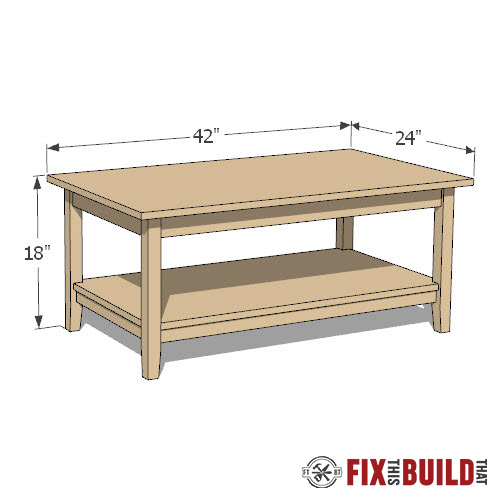
    DIY Coffee Table Plans: Build Your Own with PDF

    DIY Coffee Table Plans: Build Your Own with PDF

    DIY Coffee Table Plans: Build Your Own with PDF

    Hey there, fellow DIY enthusiasts! Are you tired of the same old boring coffee table? Do you dream of a piece of furniture that reflects your unique style and fits perfectly in your living room? Well, you're in luck! This guide will walk you through the exciting process of building your very own coffee table.

    We're going to cover everything from choosing the right materials to crafting the perfect design, and we'll even provide you with a downloadable PDF plan that includes detailed instructions and diagrams.

    Get ready to unleash your inner carpenter and let's get started!

    Why Build Your Own Coffee Table?

    Building your own coffee table is more than just a project; it's a journey of creativity and accomplishment. Here are just a few reasons why you should consider taking on this rewarding challenge:

    • Unique Style: Forget about generic store-bought furniture! You can design a table that perfectly complements your home decor and reflects your personal taste.
    • Customization: From the size and shape to the wood type and finishing touches, you'll have complete control over every detail.
    • Cost Savings: Building your own coffee table can save you a significant amount of money compared to buying one from a furniture store.
    • Sense of Accomplishment: There's nothing quite like the feeling of satisfaction that comes from creating something beautiful with your own hands.

    Choosing the Right Materials

    The materials you choose for your coffee table will play a crucial role in its overall look, durability, and cost. Here's a breakdown of popular options:

    Wood

    Wood is a classic choice for coffee tables, offering a natural beauty and a wide range of styles.

    • Hardwoods: Oak, maple, cherry, walnut, and mahogany are known for their strength, durability, and elegant grain patterns. They're a good option for a more traditional look.
    • Softwoods: Pine, cedar, and fir are more affordable and have a softer, rustic feel. They work well for farmhouse and contemporary designs.
    • Engineered Wood: Plywood, MDF, and particleboard are more budget-friendly alternatives to solid wood. While they may not be as durable, they can still create beautiful coffee tables.

    Metal

    Metal coffee tables offer a modern, industrial vibe and can be found in various finishes like stainless steel, wrought iron, and copper. They're durable and can be paired with wood for a contrasting aesthetic.

    Glass

    Glass coffee tables provide a sleek, contemporary look and create a feeling of spaciousness. They can be combined with metal or wood for a more balanced design.

    Designing Your Coffee Table

    Now comes the fun part: designing your dream coffee table! Here's a step-by-step guide to get you started:

    1. Determine the Size and Shape

    Consider the dimensions of your living room and the furniture you'll be placing around the table. A good rule of thumb is to make sure there's at least 18 inches of space around the table for comfortable movement.

    As for shape, there are endless possibilities: rectangular, square, round, oval, or even unique shapes like a hexagon or a cloud. Choose a shape that complements the style of your room and your personal preference.

    2. Select the Style

    What kind of vibe are you going for? Do you prefer a rustic farmhouse look, a sleek modern design, or something in between? Once you have a style in mind, you can start exploring different design elements:

    • Legs: Choose from traditional straight legs, tapered legs, hairpin legs, or even rustic trestle legs.
    • Top: Consider a simple top, a top with decorative edges, a top with a live edge, or a top with inlaid details.
    • Storage: Add drawers, shelves, or a hidden compartment for extra functionality.
    • Finishing Touches: Play with paint, stain, or natural finishes to create a unique look.

    3. Sketch Your Ideas

    Once you've got a clear vision of your coffee table, sketch out your design on paper. This will help you visualize the final product and identify any potential challenges. Don't worry about being a professional artist; even a rough sketch is enough to guide you through the construction process.

    The DIY Coffee Table PDF Plan

    Now, it's time to take your design to the next level! We've prepared a comprehensive DIY coffee table PDF plan that includes:

    • Detailed instructions: Step-by-step guidance with clear explanations and visuals.
    • Diagrams: Detailed drawings of the coffee table components and assembly process.
    • Material list: A list of all the necessary materials and hardware, including quantities.
    • Cutting list: Specific measurements for each piece of wood or other materials.

    This PDF plan will serve as your ultimate guide, ensuring that you have all the information you need to build your coffee table confidently.

    Building Your Coffee Table

    With your PDF plan in hand, you're ready to embark on the construction process. Here's a general overview of the steps:

    • Gather Your Materials: Make sure you have all the wood, hardware, tools, and finishing supplies ready.
    • Cut the Wood: Accurately cut all the pieces of wood according to the measurements provided in your plan.
    • Assemble the Legs: Construct the legs of your coffee table, following the instructions and diagrams in your plan.
    • Attach the Top: Attach the top to the legs, ensuring that it is securely fastened.
    • Add Finishing Touches: Sand, stain, paint, or apply a natural finish to create the desired look for your coffee table.
    • Enjoy Your Creation: Congratulations! You've built a beautiful and functional coffee table that you can be proud of.

    Tips for Success

    Here are some helpful tips to make your DIY coffee table building journey smoother:

    • Measure Twice, Cut Once: Accuracy is key when it comes to woodworking. Double-check your measurements before cutting any wood.
    • Use the Right Tools: Having the right tools for the job makes a big difference. Invest in quality tools that are appropriate for your project.
    • Take Your Time: Building a coffee table requires patience and attention to detail. Don't rush the process.
    • Seek Help if Needed: If you encounter any difficulties, don't hesitate to ask for help from a more experienced woodworker or consult online resources.

    Conclusion

    Building your own coffee table is a rewarding and achievable project that will allow you to create a beautiful and functional piece of furniture that reflects your unique style. With this guide and your PDF plan, you'll have everything you need to turn your DIY dreams into reality. So, grab your tools, get creative, and have fun building your dream coffee table!

    Happy building!

    Share:

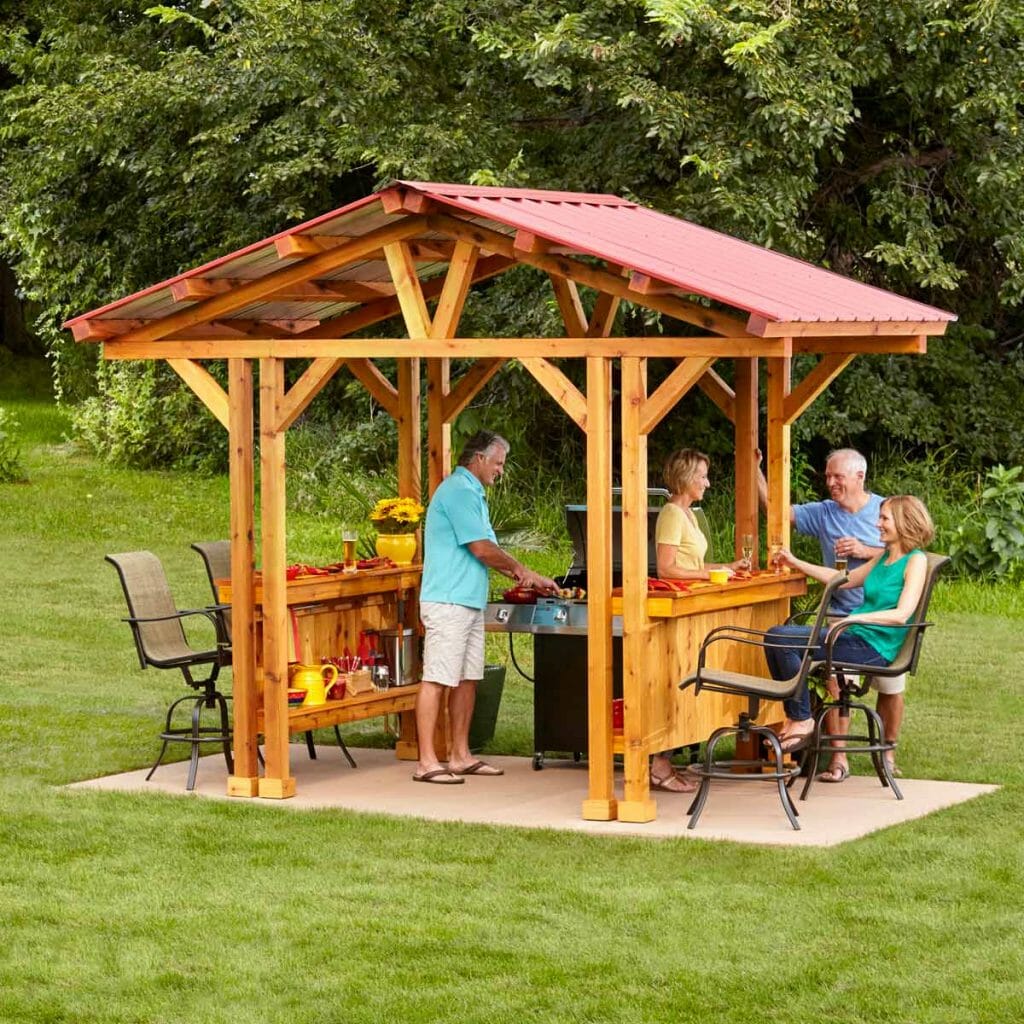
    Grill gazebo building guide: how to make it a family bbq space

    Grill gazebo building guide: how to make it a family bbq space

    Grill Gazebo Building Guide: Transforming Your Backyard into a Family BBQ Oasis

    A grill gazebo is more than just a shelter for your barbecue grill; it's an invitation to create lasting memories with family and friends. This guide will walk you through the steps of building your very own grill gazebo, transforming your backyard into a haven for outdoor gatherings and culinary adventures.

    Planning Your Grill Gazebo

    Before you begin, careful planning is crucial. Consider these key factors:

    1. Location and Size

    Choose a level spot in your backyard, preferably with access to a power source and a water supply if desired. Determine the size of the gazebo based on your grill size, seating capacity, and available space. A comfortable size for a typical family gathering would be around 10ft by 12ft, allowing enough room for a grill, table, and chairs.

    2. Gazebo Style

    Gazebo styles vary widely, each offering different benefits:

  • Traditional Gazebo: Featuring a classic octagonal or square shape with a pointed roof, often featuring decorative elements like spindles and latticework.
  • Pergola Gazebo: A more modern style with open beams and a slatted roof, allowing for natural sunlight and ventilation.
  • Screened Gazebo: Providing privacy and protection from insects with mesh panels surrounding the structure.
  • DIY Gazebo: Built from scratch, offering complete customization for your design preferences.
  • 3. Materials

    Choose durable materials that will withstand the elements:

  • Wood: Offers a natural look and warmth, but requires regular maintenance. Consider pressure-treated lumber for longevity.
  • Metal: Strong and resistant to rust, often made from aluminum or steel. Choose powder-coated finishes for added protection.
  • Vinyl: Low-maintenance and weather-resistant, but can be more expensive.
  • 4. Budget

    Set a realistic budget and factor in the cost of materials, tools, and potential labor if you hire assistance.

    Construction Essentials

    Gather the following tools and materials for your construction process:

    1. Tools

  • Level
  • Tape measure
  • Circular saw or miter saw
  • Drill with various drill bits
  • Screwdriver
  • Hammer
  • Safety glasses
  • Work gloves
  • Post hole digger (if building on concrete)
  • 2. Materials

  • Gazebo kit (if using prefabricated components) or lumber for framing
  • Roofing materials (shingles, metal panels, or fabric)
  • Fasteners (screws, nails, bolts)
  • Concrete mix or post anchors (if building on concrete)
  • Optional: Decorative elements like latticework, fencing, or lighting
  • Step-by-Step Construction Guide

    Now, let's dive into the construction process, assuming you're building a DIY gazebo:

    1. Foundation

    Start by preparing the foundation:

  • Concrete: Pour concrete footings or piers to support the posts. Use a level to ensure even placement.
  • Existing Patio: If building on an existing patio, use post anchors to secure the posts.
  • Ground: For ground-level construction, use treated lumber for posts and dig holes deep enough for stability.
  • 2. Framing

    Build the frame of your gazebo:

  • Posts: Cut and install the posts at the corners and for any additional support.
  • Beams: Cut and attach beams to the posts, creating the base of the roof.
  • Rafters: Install rafters onto the beams, creating the framework for the roof.
  • 3. Roofing

    Install the roofing material:

  • Shingles: Apply shingles in rows, overlapping each layer for water resistance.
  • Metal Panels: Attach metal panels securely to the rafters using screws or clips.
  • Fabric: Stretch and secure fabric over the frame, making sure to create a smooth and taut surface.
  • 4. Siding and Trim

    Add siding and trim to the gazebo for aesthetics and protection:

  • Siding: Install siding panels to the frame, using screws or nails for a secure fit.
  • Trim: Add trim to the edges of the roof, walls, and posts for a finished look.
  • 5. Finishing Touches

    Complete the gazebo with final touches:

  • Latticework: Add latticework to the sides for a decorative and functional element.
  • Lighting: Install lights on the roof or posts for evening ambiance.
  • Seating and Table: Choose comfortable seating and a table that complements the gazebo's style.
  • Outdoor Accessories: Add finishing touches like planters, rugs, and cushions to create a warm and inviting space.
  • Safety Tips

    Remember these safety precautions during construction:

  • Always wear safety glasses and gloves when working with tools and materials.
  • Use a level to ensure structural stability.
  • Secure all connections with screws or bolts to prevent movement.
  • Check local building codes and permits for any regulations.
  • Making it a Family BBQ Space

    Now that your grill gazebo is built, let's create an inviting space for family gatherings:

    1. Comfortable Seating

    Invest in comfortable chairs and a spacious table for meals and conversations.

    2. Outdoor Kitchen Accessories

    Enhance your grilling experience with essential outdoor kitchen tools like:

  • Side burner for prepping and cooking
  • Built-in refrigerator for cold drinks and ingredients
  • Storage cabinets for utensils and servingware
  • 3. Entertainment and Ambiance

    Create a festive atmosphere with:

  • Music system or Bluetooth speaker for background tunes
  • Fire pit for warmth and ambiance
  • Decorative lighting to create a cozy feel
  • 4. Kid-Friendly Features

    Make it a family-friendly space with:

  • Play area with a sandbox, swings, or a playhouse
  • Table and chairs sized for children
  • Games and activities for all ages
  • Conclusion

    Building a grill gazebo is an investment in your backyard and your family's well-being. It's a place to gather, connect, and create memories that will last a lifetime. By following these steps, you can transform your outdoor space into a cozy and inviting family BBQ oasis. Enjoy the process, embrace your creativity, and most importantly, have fun building your own grill gazebo haven!

    Share:

    Magic box for woodworking enthusiasts: build guide

    Magic box for woodworking enthusiasts: build guide

    The Magic Box: A Woodworker's Dream Come True

    For the woodworking enthusiast, there's nothing quite like the feeling of crafting something with your own two hands. The scent of sawdust, the smooth feel of wood, the satisfaction of creating something beautiful and functional â€" it's a truly rewarding experience. But even the most seasoned woodworker can benefit from a little help, and that's where the Magic Box comes in.

    The Magic Box is a versatile and customizable tool that can make your woodworking projects easier, more efficient, and more enjoyable. It's a modular system that allows you to create a personalized workspace that perfectly suits your needs.

    Building the Magic Box

    Building the Magic Box is a rewarding project in itself, and it gives you a chance to put your woodworking skills to the test. This guide will walk you through the process step-by-step, so you can create your own personalized woodworking haven.

    Materials

    Before you begin, gather the following materials:

    • Wood for the box (plywood, MDF, or solid wood)
    • Screws
    • Wood glue
    • Measuring tape
    • Saw
    • Drill
    • Clamps
    • Sandpaper
    • Optional: Drawer slides, hinges, handles

    Step 1: Designing Your Box

    Start by sketching out the design of your Magic Box. Consider the size and shape you need, the number and type of drawers or shelves you want, and any other features you desire. Think about your most common woodworking tasks and how the box can enhance them.

    Step 2: Cutting the Wood

    Using your saw, cut the wood panels to the dimensions you determined in the design stage. Be precise with your cuts, as accuracy is essential for a sturdy and well-fitting box. Double check your measurements before cutting and utilize a miter saw for clean, precise cuts.

    Step 3: Assembling the Box

    Now it's time to assemble the box. Glue and screw together the sides, bottom, and top of the box, ensuring that all corners are square and aligned. Use clamps to hold the pieces together while the glue dries. A well-fitting box depends on accurately cut and square pieces.

    Step 4: Adding Drawers or Shelves

    If you've opted for drawers, assemble them by cutting the sides, front, and back panels and attaching them to the drawer bottom. Install drawer slides and attach the drawers to the box. If you're building shelves, cut them to size and secure them to the box using screws or brackets. You can tailor the drawers and shelves to accommodate your specific needs, like storing tools, sandpaper, or unfinished projects.

    Step 5: Finishing Touches

    Sand the box smooth and finish it as desired. You can stain, paint, or apply a clear sealant to protect the wood. Attach hinges and handles if you've added a door, and consider adding a label to each drawer or shelf to easily identify its contents.

    Customizing Your Magic Box

    The Magic Box is more than just a box; it's a blank canvas for your creativity. Here are some ideas to personalize your Magic Box:

    • Add a magnetic strip to the inside of the door or a side panel to hold tools, nails, and screws.
    • Install a pegboard on the back of the box to hang tools.
    • Build in a small work surface on top of the box for quick tasks.
    • Include a built-in light to illuminate your work area.
    • Add a small storage bin for sawdust or scraps.
    • Use a custom-cut piece of wood for the top to create a unique and personalized touch.

    The Magic Box: More Than Just Storage

    The Magic Box is more than just a place to store your tools and materials; it's a hub for your woodworking activities. It can help you streamline your workflow, stay organized, and make your woodworking experience more enjoyable. The box becomes a personalized workspace that fits your unique needs and preferences.

    The Magic Box is a testament to the creativity and ingenuity of woodworking enthusiasts. It's a project that allows you to express your individual style and improve your woodworking skills. So gather your tools, choose your wood, and start building your own Magic Box â€" the woodworking sanctuary of your dreams.

    Share:

    How to Build a Durable Cold Frame for Your Plants

    How to Build a Durable Cold Frame for Your Plants

    How to Build a Durable Cold Frame for Your Plants

    Hey there, fellow plant enthusiasts! Ever wished you could give your precious plants a little extra TLC, especially during those chilly months? Well, get ready to become a cold frame pro because today we're diving deep into the world of building a durable, DIY cold frame. No more fretting over frostbite, we're about to create a mini-greenhouse haven for your seedlings and even your hardiest overwintering plants!

    Why a Cold Frame?

    You might be thinking, "Why bother with a cold frame? Can't I just keep my plants inside?" Well, let's be real, indoor space is precious! A cold frame gives your plants a cozy, controlled environment without hogging your living room. Plus, think of the benefits:

    • Extended Growing Season: Get a head start on spring by starting seeds early in a cold frame. And when autumn arrives, keep your delicate plants thriving longer with this extra layer of protection.
    • Frost Protection: Say goodbye to frosty mornings! A cold frame acts like a mini greenhouse, trapping heat from the sun and keeping your plants safe from the cold.
    • Hardening Off: Transition your seedlings from the pampered indoors to the great outdoors gradually. A cold frame provides a perfect halfway house, allowing them to acclimate to the elements.
    • Eco-Friendly: Cold frames are a sustainable way to garden. They use natural sunlight and heat, minimizing your reliance on artificial heating.

    Planning Your Cold Frame

    Before you start hammering and sawing, take a moment to plan your cold frame. Here's what you'll want to consider:

    Location, Location, Location!

    Choose a sunny spot that receives at least 6 hours of sunlight each day. Ideally, your cold frame should be positioned facing south for maximum sun exposure. Also, make sure it's conveniently located near your home or garden so you can easily access it.

    Size Matters

    The size of your cold frame depends on your needs and available space. Consider how many plants you'll be growing. A standard cold frame is about 4 feet wide and 6 feet long, but you can customize it based on your needs.

    Materials: Time to Get Creative!

    There are tons of materials you can use to build your cold frame. Here are some popular options:

    • Recycled Materials: Get creative with old windows, doors, pallets, and even concrete blocks. Just make sure the materials are sturdy and weatherproof.
    • Wood: Cedar and Redwood are excellent choices for their durability and natural resistance to rot and decay. Pine and spruce are more budget-friendly options.
    • Plastic: Look for clear polycarbonate or acrylic sheets, which allow ample light transmission and are highly durable.

    Building Your Cold Frame: A Step-by-Step Guide

    Let's get down to business! Here's a basic guide to building a traditional wood-framed cold frame, but feel free to adapt it using your chosen materials.

    Step 1: Gather Your Materials

    You'll need:

    • Wood planks (for the frame)
    • Clear polycarbonate or acrylic sheets (for the lid)
    • Screws or nails
    • Wood glue (optional)
    • Hinges (for the lid)
    • Door latch (optional)
    • Weather stripping (optional)
    • Level
    • Saw
    • Drill
    • Measuring tape
    • Pencil

    Step 2: Construct the Frame

    Cut your wood planks to size and assemble the frame. You can use a simple rectangular design or create a more elaborate structure with a slanted roof for better sunlight penetration. Make sure the frame is level and sturdy. Use wood glue and screws for extra strength.

    Step 3: Cut and Attach the Lid

    Measure and cut the polycarbonate or acrylic sheets to fit the frame. You can use a utility knife or a jigsaw. Attach the lid to the frame using hinges. For added insulation, you can use weather stripping around the edges of the lid.

    Step 4: Finishing Touches

    Add a door latch to secure the lid. If you're using a recycled window for the lid, you can use its existing hinges and latch. You can also paint the frame to give it a polished look. Don't forget to consider adding a vent to your cold frame for ventilation.

    Using Your Cold Frame

    Now that your cold frame is ready, it's time to put it to use! Here are some tips for maximizing its benefits:

    • Ventilation: Keep the lid propped open slightly during warmer days to allow fresh air circulation. You can use blocks or bricks as a temporary prop.
    • Watering: Water your plants regularly, but avoid overwatering, which can lead to root rot.
    • Monitoring: Check the temperature inside the cold frame regularly, especially during extreme weather conditions. You can use a simple thermometer to keep track.
    • Maintenance: Clean the inside of the cold frame regularly to prevent the buildup of dirt and debris.

    Beyond the Basics: Cold Frame Upgrades

    Ready to take your cold frame game to the next level? Here are some optional enhancements to consider:

    • Insulation: Add a layer of insulation to the walls and floor of your cold frame. This will help to trap heat and protect your plants from extreme temperatures.
    • Heating: If you live in a colder climate, consider using a heating mat or a small electric heater to keep your cold frame warm. Always use a heater that is designed for use in a cold frame and follow safety instructions carefully.
    • Automatic Venting: Invest in an automatic venting system that opens and closes the lid based on temperature changes. This eliminates the need for manual adjustments.
    • Shelves: Add shelves inside the cold frame to maximize space and grow a variety of plants at different heights.

    And there you have it! Building a cold frame is a rewarding experience that will extend your gardening season and provide a haven for your plants. So get out there, get creative, and build a cold frame that's perfect for you!

    Share:

    Affordable Cold Frame DIY Plans for Gardeners

    Affordable Cold Frame DIY Plans for Gardeners

    Affordable Cold Frame DIY Plans for Gardeners

    A cold frame is a simple and affordable structure that extends your gardening season by providing a protected environment for seedlings, transplants, and even some winter crops. By trapping solar heat and protecting plants from harsh weather conditions, a cold frame can help you get a head start on spring planting and extend your harvest into the fall. Building your own cold frame is a rewarding project that allows you to customize it to your specific needs and garden space. This article provides detailed DIY plans and instructions for constructing an affordable and effective cold frame.

    Benefits of Using a Cold Frame

    Before diving into the DIY plans, let's explore the numerous benefits of using a cold frame in your garden:

    • Extended Growing Season: Cold frames create a microclimate that is warmer than the ambient air, allowing you to start seeds and cultivate plants earlier in the spring and later in the fall.
    • Hardening Off Seedlings: Cold frames provide a gradual transition for delicate seedlings from the protected indoor environment to the outdoor conditions, reducing transplant shock.
    • Protection from Frost and Cold: The clear lid of a cold frame traps heat during the day and releases it slowly at night, protecting plants from frost and cold temperatures.
    • Moisture Retention: The enclosed environment of a cold frame helps retain moisture, reducing the need for frequent watering, especially during dry spells.
    • Pest Control: Cold frames can act as barriers against pests, keeping them away from your vulnerable seedlings and plants.
    • Seed Starting: Cold frames are ideal for starting seeds indoors in the early spring, allowing you to take advantage of the lengthening days and warmer temperatures.
    • Overwintering Plants: Some hardy plants can be overwintered in a cold frame, providing a sheltered environment to survive the cold months.

    DIY Cold Frame Plans

    Here are two simple and affordable DIY plans for cold frames:

    Plan 1: Wooden Frame with Glass Lid

    This plan uses readily available materials and offers a classic look.

    Materials:

    • Wood: 2x4 lumber for the frame, 1/2-inch plywood for the base, and 1x4 lumber for bracing (optional).
    • Glass: Choose tempered glass for safety, or polycarbonate panels for durability.
    • Fasteners: Wood screws, hinges, and weather stripping.
    • Tools: Saw, drill, tape measure, level, screwdriver, and safety glasses.

    Instructions:

    1. Cut the Wood: Cut the 2x4 lumber to the desired dimensions of your cold frame. For a standard size, consider a 3-foot by 4-foot frame. Add extra bracing for stability if needed.
    2. Assemble the Frame: Use wood screws to join the 2x4 pieces to form a rectangular frame. Ensure all corners are square and secure.
    3. Build the Base: Cut the plywood to fit the interior dimensions of the frame and screw it securely to the bottom of the frame.
    4. Attach the Lid: Cut the glass or polycarbonate panels to fit the top of the frame. Attach the panels to the frame using hinges and weather stripping to ensure a tight seal.
    5. Add a Prop: Attach a prop or a simple latch to the lid to allow for ventilation and airflow.
    6. Finish and Placement: Paint or stain the wood for added protection and choose a sunny, well-drained location for your cold frame.

    Plan 2: Brick and Glass Cold Frame

    This plan utilizes readily available bricks and glass for a simple and rustic cold frame.

    Materials:

    • Bricks: Choose durable bricks, such as concrete or red clay bricks.
    • Glass: Tempered glass or polycarbonate panels for the lid.
    • Morter: For securing the bricks.
    • Tools: Trowel, level, tape measure, and safety glasses.

    Instructions:

    1. Lay the Foundation: Choose a level spot for your cold frame and lay out the bricks in the desired shape. Consider using a 3-foot by 4-foot rectangle as a standard size.
    2. Build the Walls: Use mortar to secure the bricks in place, creating the walls of the cold frame. Aim for a height of about 2 feet. Remember to leave space for the lid.
    3. Create the Lid: Construct a frame from wood or metal to support the glass or polycarbonate panels. Attach the lid to the frame using hinges.
    4. Install the Lid: Place the lid over the brick walls, ensuring a snug fit. Use weather stripping to seal any gaps.
    5. Finish: You can paint or stain the wooden frame for added protection. Select a sunny location for your brick and glass cold frame.

    Tips for Success

    Here are some additional tips for building and using your cold frame:

    • Location: Choose a sunny spot that receives at least 6 hours of sunlight per day.
    • Drainage: Ensure good drainage to prevent waterlogging, which can damage roots.
    • Ventilation: Proper ventilation is essential to prevent overheating. Leave the lid open on warm days or use a prop to allow for air circulation.
    • Watering: Water your plants as needed, but avoid overwatering. Check the soil moisture regularly.
    • Soil: Use a well-draining potting mix or a blend of garden soil, compost, and vermiculite.
    • Planting: Space plants according to their needs and avoid overcrowding. Thin seedlings as necessary.
    • Monitoring: Monitor the temperature inside the cold frame, especially during cold weather. Adjust ventilation as needed to maintain optimal temperatures.
    • Maintenance: Clean the glass or polycarbonate panels regularly to ensure maximum sunlight penetration.

    Conclusion

    Building a cold frame is a rewarding DIY project that can significantly enhance your gardening experience. These affordable plans allow you to extend your growing season, protect plants from harsh weather conditions, and create a thriving environment for seedlings and young plants. By following the instructions and incorporating the helpful tips, you can enjoy the benefits of a cold frame and enhance your gardening success throughout the year.

    Share:

    How to make a solid wood desk for your office or study room

    How to make a solid wood desk for your office or study room

    Crafting a Solid Wood Desk: A Comprehensive Guide

    A solid wood desk is more than just a piece of furniture; it's an investment in both functionality and aesthetics. It adds a touch of natural beauty and craftsmanship to your office or study room, creating a space that inspires productivity and reflects your personal style. Building your own solid wood desk allows you to tailor it to your exact needs and preferences, ensuring a perfect fit for your workspace. This comprehensive guide will walk you through the process, from selecting materials to finishing the final piece.

    Step 1: Planning and Design

    Before diving into the construction, it's crucial to have a clear vision for your desk. This involves considering your needs, available space, and the desired style.

    Determine Your Needs

  • Size: Measure the available space and determine the optimal dimensions for your desk. Consider your workspace needs: do you require ample room for a laptop, monitor, and documents, or do you prefer a more compact setup?
  • Storage: Decide if you need drawers, shelves, or other storage solutions. Think about the type and quantity of items you'll store and choose the most practical design accordingly.
  • Work Surface: Consider the desired height and shape of the work surface. A traditional rectangular surface is common, but you can explore other options like a curved or angled desk for a more ergonomic experience.
  • Style: Decide on the overall aesthetic you desire. Do you prefer a modern, minimalist look, or a rustic, traditional style? This will influence your choice of wood type, finish, and hardware.
  • Sketch Your Design

    Sketch out your desired desk design on paper, noting the dimensions of each component and any special features. You can even create a digital model using free online software or CAD programs for a more accurate representation.

    Step 2: Choosing Materials

    The heart of your desk lies in the wood you choose. This selection will significantly influence the final look, durability, and cost of your project. Here are key factors to consider:

    Wood Type

  • Hardwoods: Oak, maple, walnut, cherry, and mahogany are known for their strength, durability, and beautiful grain patterns. These woods are ideal for a desk that will stand the test of time.
  • Softwoods: Pine, cedar, and fir are softer and more affordable. While they might not be as durable as hardwoods, they are excellent for beginners as they are easier to work with.
  • Exotic Woods: Woods like zebrawood, rosewood, and bubinga offer unique grain patterns and striking colors, adding a touch of luxury to your desk. However, they can be expensive.
  • Wood Thickness

    For the desk top, aim for a thickness of 1.5 inches or more for greater stability. The legs and supporting frames can be slightly thinner, but still require at least 1 inch of thickness to prevent sagging.

    Other Materials

  • Fasteners: Choose high-quality wood screws, dowels, or glue for strong and secure joints. Avoid using nails, which can weaken the wood and cause splitting.
  • Hardware: Drawer slides, hinges, knobs, and other hardware should complement the chosen wood and style. Look for durable and functional options.
  • Finish: A finish not only enhances the beauty of the wood but also protects it from wear and tear. Consider oils, stains, varnishes, or polyurethanes to suit your desired level of sheen and protection.
  • Step 3: Cutting and Preparation

    With the design finalized and materials gathered, it's time to start cutting and preparing the wood.

    Cutting to Size

    Using a table saw, circular saw, or hand saw, carefully cut the wood to the exact dimensions outlined in your plans. Ensure precise measurements to avoid unevenness or misalignment in the final assembly.

    Sanding

    Smooth out any rough edges and inconsistencies in the wood using progressively finer grits of sandpaper. Start with a coarser grit to remove major imperfections, then gradually transition to finer grits for a smooth, polished finish. Ensure all surfaces are sanded to a uniform texture.

    Joining Techniques

  • Dowels: Dowels are strong, reliable connectors for assembling the desk frame and other components. Drill pilot holes for the dowels and use wood glue to ensure a strong bond.
  • Pocket Holes: Pocket holes provide an effective way to join pieces without visible fasteners. Use a pocket hole jig to drill angled holes and secure the joints with screws.
  • Glue Joints: Use high-quality wood glue to create strong, invisible joints. Clamp the pieces together for optimal bonding.
  • Step 4: Assembly

    The assembly process requires patience and attention to detail. Follow the steps outlined in your plans meticulously.

    Frame Construction

    Begin by assembling the frame, which provides the foundation for the desk. Use the chosen joining technique to secure the pieces together, ensuring squareness and stability.

    Adding the Desk Top

    Once the frame is complete, attach the desk top. If you are using a single piece of wood, secure it to the frame using screws or dowels. If you are using multiple pieces, join them using the selected method to create a seamless work surface.

    Storage Features

    Add any drawers, shelves, or other storage features according to your plan. Install drawer slides and hinges carefully, ensuring they function smoothly.

    Step 5: Finishing Touches

    The final step is to enhance the beauty and durability of your desk with a finishing process.

    Sanding

    Once the desk is assembled, give it a final sanding with fine-grit sandpaper to remove any rough edges or imperfections from the assembly process.

    Finishing

  • Oil Finish: Oil finishes, like linseed oil or tung oil, enhance the natural beauty of the wood and provide a warm, satin sheen. They require multiple applications for optimal protection.
  • Stain: Stains add color and depth to the wood, enhancing its natural grain patterns. Choose a stain color that complements the chosen wood type and your overall style.
  • Varnish: Varnishes offer a durable, protective layer that shields the wood from scratches and spills. They come in various sheens, from matte to high gloss.
  • Polyurethane: Polyurethane is a long-lasting, water-resistant finish that provides excellent protection. It comes in both oil-based and water-based formulas.
  • Hardware Installation

    Once the finish is dry, install any hardware, including drawer pulls, knobs, and hinges. Choose hardware that complements the style of your desk and ensures smooth and efficient operation.

    Conclusion

    Building your own solid wood desk is a rewarding project that allows you to create a unique and functional piece of furniture. By following these steps and paying attention to detail, you can craft a desk that will serve you well for years to come. Embrace the process, enjoy the satisfaction of creating something beautiful and functional, and make your workspace truly your own.

    Share:

    How to Build a Cold Frame Using Recycled Materials

    How to Build a Cold Frame Using Recycled Materials

    Building a Cold Frame with Recycled Materials

    Embrace sustainability and nurture your garden with a cold frame crafted from recycled materials. This DIY project is not only eco-friendly but also budget-friendly, allowing you to create a mini-greenhouse that extends your growing season.

    Choosing Your Materials

    The beauty of a recycled cold frame lies in its adaptability. You can use a variety of materials to construct it. Start by scavenging your garage, attic, or local recycling center for these potential treasures:

    Windows

    Old windows, especially single-paned ones, are ideal for the cold frame's cover. Their transparency allows sunlight to penetrate while providing insulation against the cold. Consider using a discarded storm window for extra protection.

    Doors

    Solid wood doors or even decorative glass doors can create a sturdy frame. You can repurpose an old door by removing the hardware or simply using the frame itself.

    Wood

    Reclaimed wood planks, pallets, or even discarded furniture pieces can form the base and sides of your cold frame. Look for sturdy wood that's been treated for outdoor use.

    Plastic

    Clear plastic sheeting, often used for greenhouse coverings, provides a lightweight and transparent alternative to glass. You can also use old plastic storage bins, cutting out the sides for a basic frame.

    Step-by-Step Construction

    Now that you've gathered your materials, let's assemble your recycled cold frame. This guide will focus on a simple, rectangular design, but you can adjust it to fit your needs and available materials:

    Step 1: Build the Base

    Start by constructing a rectangular base using your chosen wood. If you're using pallets, you can use them as is or disassemble them for individual planks. Secure the base with screws or nails, ensuring a sturdy foundation.

    Step 2: Create the Sides

    Construct the sides using additional planks, making them tall enough to comfortably accommodate your plants. You can use wood joints or secure the sides to the base with brackets for extra support.

    Step 3: Attach the Cover

    For windows, use hinges to attach them to the back side of the frame. Securely fasten them to the frame with screws. For plastic sheeting, create a simple frame using PVC pipes or wooden strips, and attach it to the top of the cold frame using clamps or screws.

    Step 4: Add a Door

    If you're using a door for the cover, attach it to the frame using hinges and a latch for easy access. Otherwise, make a small opening for ventilation, securing a removable piece of wood or plastic for access.

    Step 5: Place and Prepare

    Choose a sunny spot in your garden, away from strong winds. Place the cold frame on a level surface, ensuring proper drainage. Fill the inside with a good potting mix, and you're ready to start planting!

    Tips for Success

    Remember these tips to make the most of your recycled cold frame:

    • Ventilation: Provide adequate airflow to prevent condensation and maintain optimal conditions for your plants.
    • Light: Position the cold frame to receive maximum sunlight, especially during the cooler months.
    • Insulation: Add extra insulation by placing a layer of newspaper or bubble wrap under the cover.
    • Watering: Water regularly, but avoid overwatering to prevent root rot.
    • Monitoring: Keep a close eye on the temperature inside the cold frame, adjusting the ventilation as needed.

    With a little ingenuity and creativity, you can turn your recycled treasures into a productive and sustainable cold frame. Enjoy the satisfaction of growing delicious crops, while contributing to a greener world!

    Share:

    Search This Blog

    Powered by Blogger.

    Pages

    Blog Archive